


Table of Contents
- The Real Difference Small Gift Shops Make
- Advantages of Curated Gift Boxes and Selections
- How to Find Unique Gifts for Book Lovers at Small Shops
- Personalized Service and Customer Relationships
- The Importance of Supporting Small Businesses
- Small Gift Shops vs. Mass Retailers: Why the Difference Matters
- Getting Started With Small Gift Shops
- Frequently Asked Questions
Last Updated: October 3, 2026
The Real Difference Small Gift Shops Make
When you walk into a small gift shop, you're not just browsing products. You're entering a curated space where someone has already done the work of finding things worth owning. That's the fundamental difference between shopping small and grabbing whatever's on the shelf at a big-box retailer.
Small gift shops stock items because they believe in them, not because they maximize margin. When a shop owner hand-selects inventory, they're filtering for quality, uniqueness, and actual value, creating a collection that feels intentional rather than random.
GreyDoor Goods curates mystery book selections and gift boxes specifically so every unboxing feels thoughtful.
You get personal attention, and gifts that land differently because they're not what everyone else is giving.
Advantages of Curated Gift Boxes and Selections
Curated gift boxes solve choice paralysis by presenting pre-selected items that work together, removing the burden of picking from thousands of options.
Small gift shops build boxes around genuine curation. A book lover gift might pair a mystery novel with quality bookmarks, a journal, and a pen, items that complement each other because someone thoughtful assembled them.
This approach exposes you to products you wouldn't find elsewhere. Mass retailers stock what sells broadly; small shops stock what's good, even if niche. That discovery transforms gift-giving from transactional to memorable.
GreyDoor Goods offers curated options: the Unseen Book + Gift Box combines a mystery horror or thriller novel with journals, pens, bookmarks, and surprise extras. The Unseen Book Premier Box includes a leather journal and fuller writing tools. Both remove guesswork while delivering quality.


The real advantage: someone else has already filtered for excellence. You're trusting that the shop owner's taste aligns with yours.
How to Find Unique Gifts for Book Lovers at Small Shops
Book lovers want the full reading experience: something to mark passages, something to take notes in, something that makes reading feel like a ritual.
Small gift shops can offer a different experience than mass retailers because they've listened to what book lovers actually need.
Look for shops specializing in books or reading items. They carry quality bookmarks, journals, reading lights, book stands, and writing instruments, items that enhance the reading experience.
Pay attention to what's displayed together. Shops that understand their audience group complementary items, books with bookmarks, journals with pens, blankets with reading lights, showing the owner thinks about how readers spend their time.
Ask staff what book lovers actually buy. Small shop employees know which mystery novels sell, which journals writers prefer, and which accessories people use.
GreyDoor Goods offers mystery book selections: the Unseen Book contains a hand-selected horror or thriller novel rated 3.5+ on Goodreads, plus bookmarks, a pen, and sticky notes. The Unseen Book + Gift Box adds a journal, highlighter, and surprise extras that change with every order.

Look for places where the owner clearly reads. The selection will be thoughtful, displays will show understanding, and staff will be enthusiastic about books, not just selling them.
Personalized Service and Customer Relationships
Small gift shops create experiences mass retailers cannot replicate. The person helping you isn't following a corporate script, they're having a conversation.
Personalized service means the shop owner remembers what you bought last time. They notice your taste. They make recommendations based on what they actually know about you, not based on an algorithm trained on millions of strangers. They ask questions because they genuinely want to help you find something right, not because they're required to upsell.
Small shops build relationships with customers. You become a regular. The owner learns your preferences, your budget, what makes you laugh, what matters to you. That relationship transforms shopping from a transaction into a genuine connection. When you come back, they already know what might work for you. They've been thinking about you between visits.
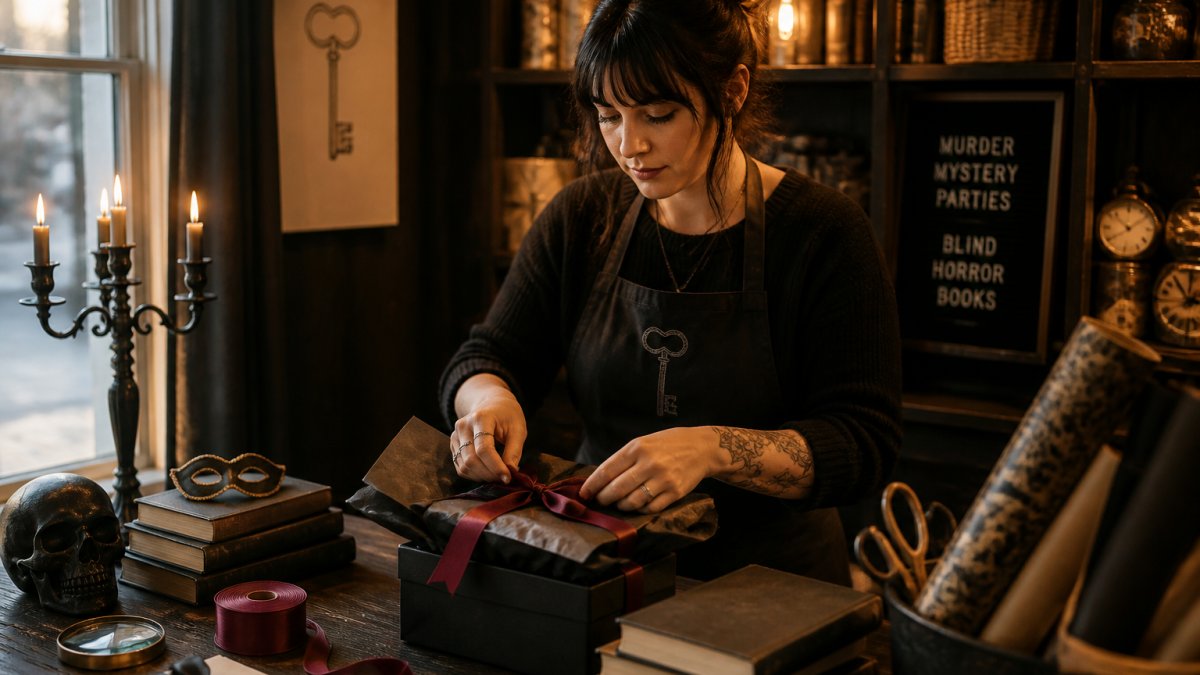
This personalization extends to how gifts are presented. Small shops care about wrapping, packaging, and presentation because they understand that how something arrives matters. A gift wrapped thoughtfully by someone who cares feels fundamentally different from something hastily thrown in a box. That care is part of the gift itself.
When you have questions, about whether a book matches your taste, whether a gift is appropriate for someone specific, how to care for a product, you're talking to someone who actually knows the answers. They're not reading from a FAQ. They're drawing on experience and genuine expertise. They can tell you which mystery novels have twist endings, which journals have paper that feels best with fountain pens, which candles actually smell like their description.
The relationship element also means accountability. Small shop owners care about whether you're happy with your purchase because your satisfaction directly affects their business. They're personally invested in making sure you leave happy.
The Importance of Supporting Small Businesses
When you buy from a small gift shop, your money doesn't disappear into a corporate structure. It stays local. It supports someone's livelihood. It funds a real business operated by real people who have made a choice to create something in their community.
Unseen Book — Try The Mystery →
This matters economically. Small businesses contribute to local economies. They create jobs. They pay local taxes. They rent retail space from local landlords. They buy supplies from local vendors. Money spent at a small shop circulates through the community.
Small business owners take risks. They invest their own capital. They work longer hours. They make decisions about inventory, staffing, and strategy that directly affect their survival. When you support them, you're supporting people who have chosen to build something.
Supporting small businesses also preserves choice in the retail landscape. When small shops disappear, communities lose the unique character they provide. You're left with identical chain stores in every town, all stocking the same items. The world becomes more homogeneous. Supporting small shops is a vote for diversity in what's available, how it's presented, and who profits from your purchase.
There's also a values element. Small business owners typically care about the quality of what they sell. They're not optimizing for lowest cost and highest volume. They're optimizing for items they believe in. That difference in incentives can produce thoughtful selections.
When you buy a mystery book bundle from GreyDoor Goods or shop at any small gift shop, you're supporting the people who curate these selections. You're funding their ability to keep doing this work. You're saying that you value what they do enough to choose them over bigger, cheaper alternatives.
Small Gift Shops vs. Mass Retailers: Why the Difference Matters
The comparison between small gift shops and mass retailers comes down to fundamentals: curation versus volume, relationship versus transaction, and quality versus convenience.
Mass retailers optimize for one thing: moving inventory quickly at the lowest possible cost. This creates some genuine benefits. Selection is vast. Prices are low. Convenience is high. You can get almost anything. But this optimization comes with real costs that aren't always visible.
| Aspect | Small Gift Shops | Mass Retailers |
|---|---|---|
| Curation | Thoughtfully selected by owner | Algorithm-driven or volume-based |
| Personalization | Staff knows your preferences | Generic recommendations |
| Product Quality | Vetted for actual value | Optimized for margin |
| Uniqueness | Exclusive and hard-to-find items | Mass-produced, widely available |
| Community Impact | Money stays local | Profits leave community |
| Customer Experience | Relationship-based | Transaction-based |
| Discovery | Introduces new products | Stocks what's already popular |
| Accountability | Owner personally invested | Corporate structure insulates |
Small gift shops accept lower volume in exchange for higher quality and stronger community connection. They can't compete on price because they don't operate at the same scale. But they compete on everything else: the quality of what they stock, the thoughtfulness of their selections, the relationships they build with customers.
The real difference shows up when you're trying to find something that actually matters. A mass retailer will have 50 book options, but you'll spend an hour deciding between them. A small shop might have 10 carefully selected options, and you'll know within minutes which one is right.
Mass retailers also create a particular kind of shopping experience: you're one of thousands. You're anonymous. Your purchase is a data point. Small shops create a different experience: you're known. Your preferences matter. Your satisfaction is personal, not corporate.
Getting Started With Small Gift Shops
If you've been defaulting to mass retailers out of habit or convenience, shifting to small gift shops is straightforward.
Start by identifying shops in your area or online that focus on gifts, books, or specific interests. Look for places where the owner's personality comes through in the selection. Read reviews, but pay attention to what reviewers say about the experience, not just the products.
Visit in person if possible. Small shops are designed to be browsed. You'll get a feel for whether the owner's taste aligns with yours. Notice what's displayed together. Notice how things are organized.
If you're shopping online, look for shops that offer personalization options. GreyDoor Goods, for example, lets you share your Goodreads list when ordering mystery books so they can avoid recommending books you've already read. That's curation in action. It's the shop owner saying, "I want to get this right for you specifically."
Start small. Order one thing. See how it arrives. Notice the packaging, the quality, the thought that went into the selection. If it resonates with you, you've found a shop worth returning to. If it doesn't, try another.
Consider building a relationship with a shop. Let the owner know what you like. Come back regularly. Ask for recommendations. This is where small shopping becomes genuinely different from mass retail. You move from being a customer to being a regular. The experience improves each time because the owner knows you better.
For book lovers specifically, mystery book subscriptions and curated selections are becoming more common at small shops. These take the guesswork out of gift-giving while introducing you to books you might not have discovered otherwise. They're perfect entry points for anyone new to shopping small.
The transition from mass retail to small shops doesn't require abandoning convenience. It requires valuing something else alongside convenience: the quality of what you get, the experience of shopping, and the impact of where your money goes.
Finding the right gift shouldn't feel like work. Small gift shops solve that problem by doing the curation for you, building selections around genuine quality and thoughtful pairing. Our Unseen Book + Gift Box pairs hand-selected horror and thriller novels with quality journals, pens, and surprise extras.
Frequently Asked Questions
What makes gifts from small gift shops more unique than mass-produced items?
Small gift shops curate their selections deliberately, choosing items based on quality and character rather than volume. Shop owners hand-pick products that reflect craftsmanship and individuality. For book lovers, this means mystery boxes like the Unseen Book + Gift Box ($49) combine a carefully selected horror or thriller novel (rated 3.5+ on Goodreads) with complementary reading accessories. Mass retailers stock generic items in bulk; small shops build collections with personality and purpose.
Do small gift shops offer better customer service than large retailers?
Yes. Small gift shop owners typically know their inventory intimately and can recommend items based on your specific interests. They remember repeat customers, understand their preferences, and can help you find gifts that actually match someone's taste. This personalized attention is nearly impossible at large retailers where staff turnover is high and customer data is impersonal. When you share your Goodreads list at checkout with small shops, they genuinely use it to avoid repeats, that level of care defines the difference.
How does shopping at small gift shops impact the local economy?
Money spent at small gift shops stays in the local economy. Owners reinvest revenue into their communities, pay local employees, and often source products from other small businesses and artisans. This creates a multiplier effect: each dollar spent generates additional economic activity. Small businesses also contribute to the local tax base and help maintain vibrant retail landscapes that attract more customers and investment. Unlike large retailers that funnel profits to distant corporate headquarters, small shops build neighborhood vitality.
How can I find a small gift shop that matches my taste?
Look for shops that specialize in your interests, book lovers, mystery enthusiasts, or people who appreciate curated selections. Check online reviews and social media to see what other customers say about their curation style. Visit their website or physical location to browse their selection before committing to a purchase. Small shops often feature their buying philosophy prominently. For book-focused gifts, shops that offer mystery book selections or curated reading bundles signal they understand the book lover community and take curation seriously.