


Table of Contents
- Start With a Realistic Party Budget
- Your Party Planning Checklist, Step by Step
- Build an Event Planning Timeline That Works Backward
- Party Planning Tools That Keep You Organized
- Party Hosting Tips for a Calm, Confident Host
- Plan for Sustainability, Accessibility, and Surprises
- Frequently Asked Questions
Last Updated: September 18, 2026
Start With a Realistic Party Budget
Party planning works best when the money conversation happens first, not last. Decide your total spend before you pick a theme, a menu, or a single decoration, because every later decision flows from that number.
A workable split for a home gathering looks like this:
| Category | Share of Budget | Typical Costs |
|---|---|---|
| Food and drinks | 35-40% | Groceries, ice, mixers |
| Decor and supplies | 15-20% | Tableware, lighting, signage |
| Entertainment | 10-15% | Music, games, activities |
| Contingency | 10% | Last-minute runs, spills, extras |
Most hosts overspend on decor and underspend on food. Flip that instinct. Guests remember what they ate and how comfortable they felt, not the centerpiece.
Your Party Planning Checklist, Step by Step
A party planning checklist turns a vague sense of dread into a sequence of small, finishable tasks. Here is the order that keeps hosts sane.
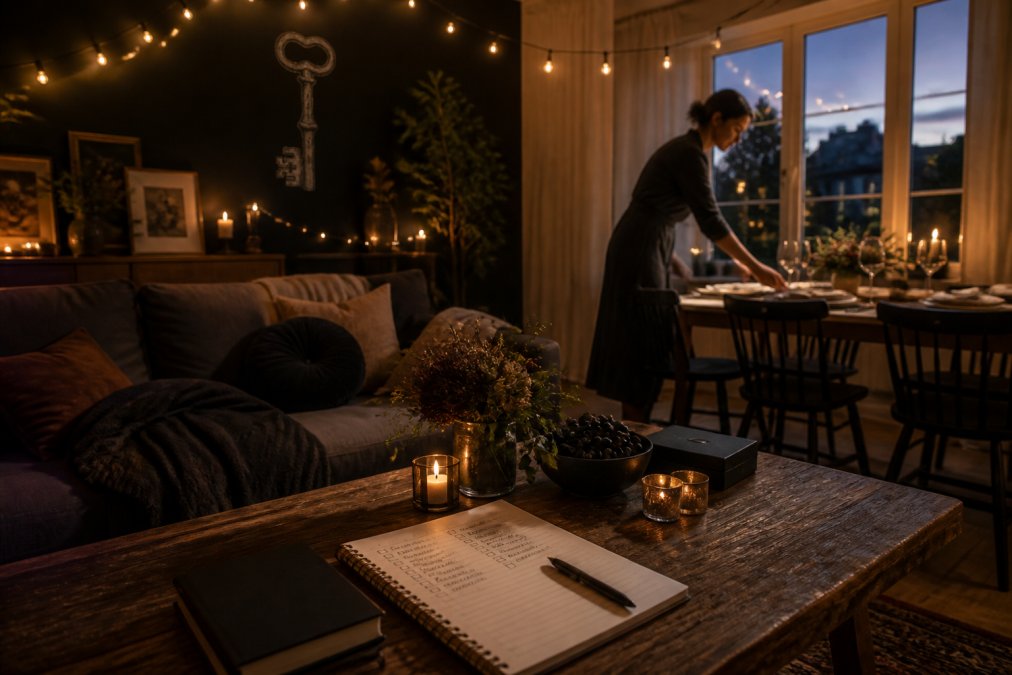
- Set the date, time, and guest count
- Choose a theme or mood, even a loose one
- Build the guest list and collect RSVPs
- Pick the venue: your home, a backyard, a rented space
- Plan the menu and beverage service
- Book vendors and entertainment
- Send invitations with clear logistics
- Map decorations, seating, and atmosphere
- Confirm accessibility, parking, and weather backup
- Run the day-of timeline and assign helpers
Work the list top to bottom. Skipping step one to jump into decor is the most common mistake, and it costs hosts real money when the guest count changes.
Build an Event Planning Timeline That Works Backward
An event planning timeline starts at the party date and counts backward. This is the single most useful habit in party planning, because deadlines stop feeling arbitrary.
For a gathering four weeks out, a simple backward schedule looks like this:
- 4 weeks out: Set date, budget, and guest list
- 3 weeks out: Send invitations, book any vendors
- 2 weeks out: Finalize menu, order supplies, plan decor
- 1 week out: Confirm RSVPs, build the shopping list, prep make-ahead food
- 2 days out: Clean, set up furniture, charge speakers
- Day of: Execute the party-day timeline
Compress or stretch the intervals to fit your date, but keep the order. The sequence matters more than the spacing.
Party Planning Tools That Keep You Organized
Party planning tools range from a shared spreadsheet to a dedicated assistant that holds the whole plan for you. The right pick depends on how many moving parts you are juggling.
For a small dinner, a notes app and a grocery list are enough. For a holiday party with vendors, dietary needs, and a guest list over twenty, you want something that remembers details so you do not have to.
What AI Party Planning Assistants Actually Do
An AI party planning assistant is software that builds and maintains your event plan, remembers the details you have already decided, and tells you what to work on next.
That last part is the real difference. A static checklist sits there.
Party Hosting Tips for a Calm, Confident Host
| Time | Task | Owner |
|---|---|---|
| 2:00 p.m. | Chill drinks, set out serving dishes | Host |
| 3:30 p.m. | Assemble make-ahead dishes, cover and refrigerate | Host |
| 4:30 p.m. | Set table, arrange seating, queue playlist | Helper |
| 5:15 p.m. | Light candles, set out ice, open first bottle | Helper |
| 5:45 p.m. | Host changes clothes, phone down | Host |
| 6:00 p.m. | Door duty begins | Helper |
| 7:00 p.m. | Food out, host sits for ten minutes | Host |
Close the loop the next morning. Before you forget, write down three things: what you ran out of, what you had too much of, and what you would change. That note is what turns one good party into a repeatable one, and it is the difference between hosting once and hosting well.
Plan for Sustainability, Accessibility, and Surprises
Sustainability, accessibility, and contingency planning are the three areas most party guides skip, and they are where a good host separates from a great one. Each one is a set of decisions you make before the invitations go out, not a scramble the week of.
Sustainability Without the Lecture
The goal is not a zero-waste party. It is cutting the waste that guests never notice and keeping the parts they do. Three swaps do most of the work:
- Tableware. Real plates, glassware, and cloth napkins cut the biggest single source of party waste. For a guest list over twenty, renting is usually cheaper than buying disposables and looks better in photos. If you must use disposables, look for compostable fiber plates and paper straws, and set out a clearly labeled bin next to the trash.
- Decor. Borrow, rent, or buy pieces you will reuse. Candles, string lights, and plants carry a room further than themed single-use items, and they survive into the next party. If you want a theme, put it in the food, the playlist, and the signage rather than in objects that get thrown away.
- Food. Plan portions against your RSVP count rather than guessing high. A common pattern is that hosts overbuy by roughly a third when they do not have a firm number. Send leftovers home in containers you do not need back, and keep a shelf-stable backup in the pantry instead of a perishable one in the fridge.
Accessibility Is a Line on the Invitation, Not an Afterthought
Accessibility planning starts with one question added to your RSVP: "Anything I should know to make the party work for you?" That single line surfaces mobility needs, dietary restrictions, sensory considerations, and allergies before you buy food or set the room.
Then act on the answers:
- Mobility. Confirm a step-free path from parking to the front door, and clear the route of cords, rugs, and low furniture. If the only bathroom is upstairs, say so on the invitation so guests can plan.
- Dietary needs. Keep a written list of restrictions and check it against every dish, including sauces, dressings, and garnishes. Label dishes at the table. A guest should not have to ask.
- Sensory considerations. Loud music, strong scents, and crowded rooms are the three most common problems. Offer a quieter room or a porch as a retreat, keep the playlist below conversation level, and skip heavily scented candles near the food.
- Parking and arrival. Clear parking instructions matter more than most hosts realize. Tell guests where to park, whether the street is permit-only, and what the door looks like from the street.
Contingency Planning for the Three Things That Actually Go Wrong
- Weather. For anything outdoors, name a backup location in advance and tell guests the cutoff time for the decision. A pop-up canopy, a garage, or a cleared living room covers most rain scenarios. For heat, have shade and water stations; for cold, have a fire pit or blankets in a basket by the door.
- Vendor or helper cancellation. Keep one backup for any role you cannot cover yourself, whether that is a friend on standby for door duty or a second option for a caterer. Confirm every vendor 48 hours out, in writing, with the arrival time and a phone number.
- Guest emergencies. Keep a basic first-aid kit in a known spot, a list of emergency contacts for guests with known conditions, and a designated person besides the host who knows where both are. If a guest overindulges, have a quiet room and a ride plan ready before you need them.
None of this requires a bigger budget. It requires deciding earlier, writing it down, and telling your guests what to expect so they can show up relaxed.
Frequently Asked Questions
What are the essential steps to plan a successful party?
Start with a budget and guest count, since those two numbers shape every other decision. Then choose a date and venue, send invitations, and build a party planning checklist that works backward from the event date. Confirm food, drinks, and supplies about two weeks out, and handle decorations and music the week before. On party day, focus on setup and greeting guests. A written plan keeps each step visible so nothing gets forgotten.
How do you create a realistic party planning timeline?
Work backward from your party date instead of forward from today. For a casual home gathering, four weeks is workable: week one for budget, guest list, and invitations; week two for menu and supplies; week three for decorations and vendor confirmations; week four for cleaning, setup, and a final headcount. Larger events need six to eight weeks. Write each task with a due date, and leave the last two days almost empty for setup and rest.
How can AI tools assist with modern party planning?
AI party planning assistants build and maintain your plan, remember event details, and flag what needs attention next. Osti from GreyDoor Goods, for example, drafts checklists and timelines, helps with invitations and RSVPs, tracks budgets and shopping lists, and suggests food quantities and decor ideas. It also accounts for practical details like parking, weather, pets, and accessibility. Plans start at $39.99 for a single party, with three-month and one-year options available.
What are the most common mistakes to avoid when hosting at home?
Over-inviting is the biggest one: more guests than your space, seating, or kitchen can handle. Others include skipping a budget, leaving food and drink quantities to guesswork, and trying to do every task on party day. Give yourself a written checklist, delegate setup tasks to a friend or family member, and build in buffer time. Also confirm dietary needs when guests RSVP, not the morning of the event.